Facebook SMS Verification Guide 2026
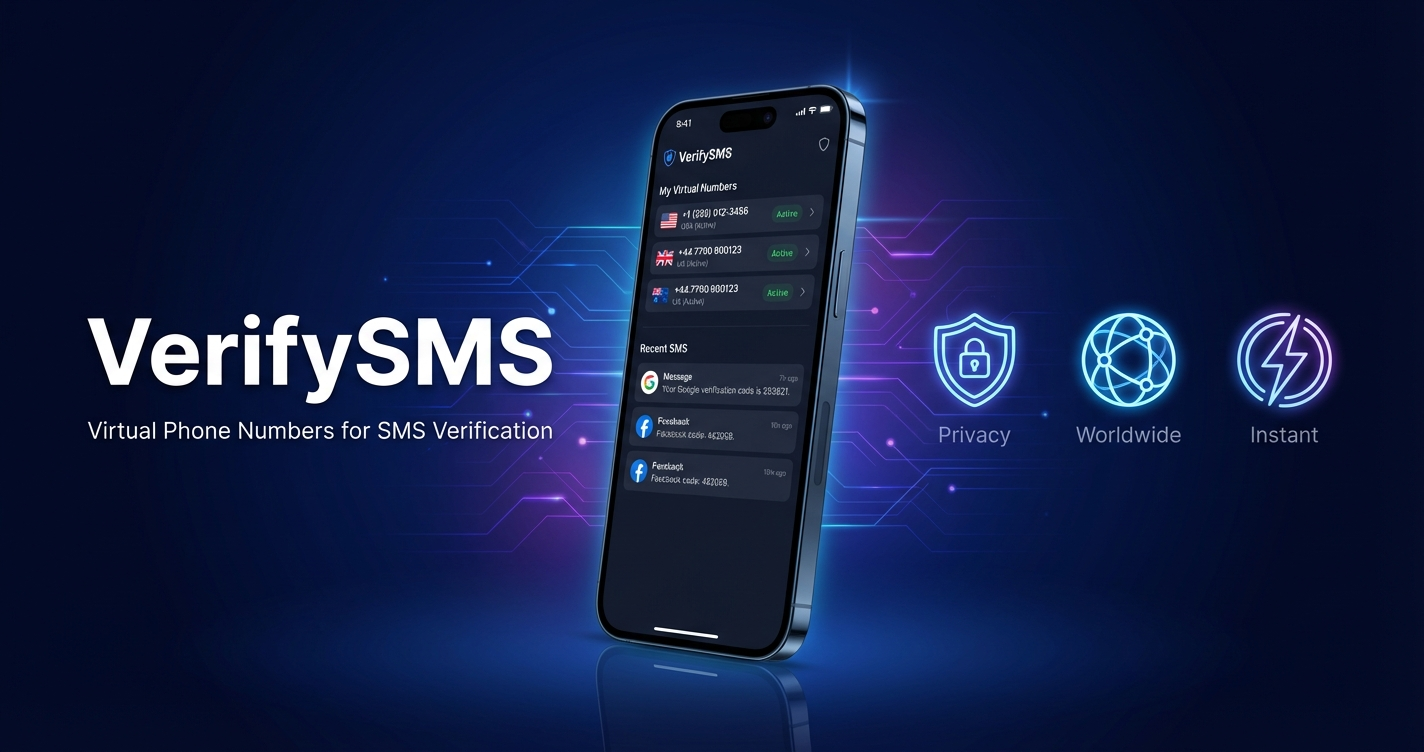
Table of Contents
- What is Facebook Phone Verification?
- Why Does Facebook Require Phone Verification?
- How to Verify Facebook with a Virtual Number
- Common Facebook Verification Errors and How to Fix Them
- Facebook Phone Verification: Country and Region Support
- Virtual Number vs. Real Number for Facebook Verification
- Privacy and Security Considerations with Phone Verification
- Cost Comparison: Free vs. Paid SMS Verification Methods
- Frequently Asked Questions About Facebook Phone Verification
- Final Recommendations for Facebook Verification
What is Facebook Phone Verification?
In the digital age, online platforms are constantly seeking ways to enhance security and ensure the authenticity of their user base. Facebook, one of the world's largest social networks, is no exception. Facebook phone verification is a crucial security measure designed to confirm that a user is a real person and not a bot or a malicious actor. This process typically involves sending a unique code via SMS to a phone number provided by the user. The user then enters this code into Facebook to prove ownership of the number and, by extension, their identity.
This verification step is often implemented during the account creation process, when a user attempts to log in from a new device or location, or when certain sensitive actions are performed on the account. It serves as a vital layer of defense against account takeovers, spam, and fraudulent activities. Understanding what Facebook phone verification entails is the first step towards navigating this process smoothly and securely.
How the Process Generally Works:
- Account Creation: When setting up a new Facebook account, you might be prompted to provide a phone number.
- Login Security: If Facebook detects unusual login activity (e.g., from a new device or IP address), it may require phone verification to confirm it's you.
- Action Confirmation: For certain actions like changing account settings or recovering a forgotten password, a verification code sent to your phone might be necessary.
- Code Delivery: A one-time passcode (OTP) is sent via SMS to the registered phone number.
- Code Entry: You enter this code into the Facebook interface to complete the verification.
While this process is designed for security, it can sometimes present challenges, especially for users who prefer not to use their personal phone numbers for online services. This is where alternative solutions, like virtual phone numbers, come into play.
Why Does Facebook Require Phone Verification?
Facebook's decision to implement phone verification is driven by a multifaceted approach to security and platform integrity. In an online landscape rife with bots, fake accounts, and malicious intent, Facebook relies on phone numbers as a primary identifier to distinguish genuine users from automated systems or individuals attempting to exploit the platform.
🔒 Need a virtual number right now?
Instant SMS verification • 150+ countries • from $0.20
📱 Download VerifySMS FreeHere are the key reasons why Facebook requires phone verification:
Combating Spam and Bots:
One of the most significant threats to any social media platform is the proliferation of spam and bot accounts. These automated accounts can be used to spread misinformation, engage in phishing scams, or artificially inflate engagement metrics. By requiring phone verification, Facebook makes it significantly harder and more expensive for spammers to create large numbers of fake accounts. A unique phone number is harder to acquire in bulk than an email address, acting as a natural deterrent.
Account Security and Recovery:
Your phone number acts as a critical lifeline for your Facebook account. If you forget your password or suspect unauthorized access, Facebook can send a verification code to your registered phone number to help you regain control of your account. This two-factor authentication (2FA) method adds a robust layer of security, making it much more difficult for hackers to compromise your account even if they manage to obtain your password.
Preventing Abuse and Harassment:
Phone verification helps to hold users accountable for their actions on the platform. When accounts are tied to verifiable phone numbers, individuals are less likely to engage in abusive behavior, harassment, or the spread of hate speech, as there's a greater chance of their identity being traced. This contributes to a safer and more positive online environment for all users.
Identity Verification:
While not a foolproof method of identity verification, a phone number provides a stronger link to a real-world individual than an email address alone. It helps Facebook maintain a more accurate user base and reduce the prevalence of fake profiles, which can be used for deceptive purposes.
🔒 Need a virtual number right now?
Instant SMS verification • 150+ countries • from $0.20
📱 Download VerifySMS FreeCompliance and Regulation:
In some regions, there are increasing regulatory pressures on social media companies to implement stronger identity verification measures to combat illegal activities and protect users. Phone verification is a common and accessible method to meet these requirements.
For users who value their privacy or do not wish to link their personal phone number to their social media accounts, utilizing a virtual phone number service can be an effective solution. Services like VerifySMS offer dedicated virtual numbers that can be used for Facebook verification without revealing your personal contact details.
How to Verify Facebook with a Virtual Number
Verifying your Facebook account using a virtual phone number is a straightforward process, similar to using a physical SIM card. The key is to have a reliable virtual number service that can receive SMS messages. VerifySMS is a leading provider that makes this process seamless.
Here’s a step-by-step guide:
Step 1: Obtain a Virtual Number
First, you'll need to sign up for a virtual phone number service. Choose a reputable provider like VerifySMS that offers numbers capable of receiving SMS verification codes. You can often select a number from a specific country or region, depending on your needs.
🔒 Need a virtual number right now?
Instant SMS verification • 150+ countries • from $0.20
📱 Download VerifySMS FreeVisit Get a Facebook virtual number to explore options.
Step 2: Initiate Facebook Verification
When Facebook prompts you for a phone number for verification (either during signup or for an existing account security check), enter the virtual phone number you obtained from your service provider.
Step 3: Receive the SMS Code
Once you've entered the virtual number on Facebook, the platform will send a verification code via SMS to that number. You need to access the messaging interface provided by your virtual number service to see this incoming SMS.
With VerifySMS, you can easily view incoming messages directly through your account dashboard.
Step 4: Enter the Code on Facebook
Retrieve the verification code from your virtual number service's inbox and enter it into the designated field on Facebook. Ensure you enter the code accurately and within the specified time limit.
Step 5: Complete Verification
Upon successful entry of the correct code, Facebook will confirm that your phone number is verified. Your account is now secured with this virtual number.
Tips for Success:
- Choose a Reliable Provider: Ensure your virtual number provider has a high success rate for receiving SMS verification codes.
- Check Country Availability: Some services might have limitations on which countries' verification codes they can receive.
- Keep Your Virtual Number Active: For ongoing security, ensure your virtual number remains active and accessible.
- Read Service Terms: Understand the terms of service for your virtual number provider, especially regarding data retention and privacy.
Using a virtual number from a trusted service like VerifySMS provides an excellent way to maintain privacy while ensuring your Facebook account is properly verified and secured.
Common Facebook Verification Errors and How to Fix Them
Encountering issues during Facebook phone verification can be frustrating. Fortunately, most common errors have straightforward solutions. Whether you're using a real or virtual number, these tips can help you troubleshoot and successfully complete the verification process.
Error 1: Verification Code Not Received
This is the most frequent problem. Several factors can cause this:
- Incorrect Number Entered: Double-check that you've entered the correct phone number, including the country code.
- Network Issues: Poor mobile signal or temporary network outages can delay or prevent SMS delivery. Try moving to an area with better reception.
- Spam Filters: Your phone's SMS app or your carrier might be mistakenly flagging the verification message as spam. Check your spam/junk folder.
- Blocked Numbers: Ensure Facebook's sending number isn't blocked on your device or by your carrier.
- Service Provider Issues (for Virtual Numbers): If using a virtual number, the service might be experiencing temporary issues or may not support SMS reception for Facebook verification from that specific region. VerifySMS works diligently to maintain high delivery rates, but occasional issues can arise with any service.
Fixes:
- Wait a few minutes and try resending the code.
- Restart your phone.
- If using a virtual number, ensure the service is active and capable of receiving SMS from Facebook. Check the VerifySMS dashboard for any service alerts.
- Contact your mobile carrier or virtual number provider if the issue persists.
Error 2: Invalid or Expired Code
Verification codes are time-sensitive. If you take too long to enter the code, it will expire.
Fixes:
- Request a new code and enter it immediately.
- Ensure your device's time and date are set correctly, as this can sometimes interfere with code validation.
Error 3: Too Many Verification Attempts
Facebook limits the number of verification attempts to prevent abuse. Exceeding this limit can temporarily lock you out of the verification process.
Fixes:
- Wait for the specified lockout period (usually 24 hours) before trying again.
- Avoid repeatedly requesting new codes if the previous ones weren't received.
Error 4: Account Flagged for Suspicious Activity
If Facebook detects unusual patterns associated with your account or login attempts, it might require additional verification or temporarily restrict actions.
Fixes:
- Follow Facebook's on-screen instructions carefully. This might involve answering security questions, verifying friends' photos, or providing more information.
- If using a virtual number, ensure it's not associated with previous fraudulent activity on Facebook.
- For persistent issues, you may need to contact Facebook support, though this can be challenging.
Error 5: Virtual Number Not Accepted
Facebook sometimes blocks certain types of virtual or VoIP numbers. This is to combat abuse from numbers that are easily disposable.
Fixes:
- Try a different virtual number from a different provider or region. VerifySMS offers a wide range of numbers, increasing your chances of finding one that works.
- Ensure the virtual number is a standard mobile number (not a VoIP number if Facebook specifically disallows it).
- If you're encountering consistent issues with a specific provider, it might be worth exploring alternatives. You can compare verification services to find one with a better track record for social media platforms.
By understanding these common issues and their solutions, you can navigate Facebook's verification process more effectively, especially when using a virtual number service.
Facebook Phone Verification: Country and Region Support
Facebook's phone verification system is designed to be globally accessible, but there are nuances regarding country and region support. The availability and reliability of verification codes can vary depending on the country code of the phone number you are using.
Global Reach:
Facebook supports phone numbers from a vast majority of countries worldwide. This allows users from different parts of the globe to verify their accounts using their local mobile numbers. The SMS delivery infrastructure is robust, aiming to reach users wherever they are.
Virtual Number Limitations:
While many virtual number providers offer global coverage, Facebook may sometimes flag or block certain types of virtual or VoIP numbers. This is often done to prevent abuse, as these numbers can be more easily acquired in bulk and disposed of by malicious actors.
- Supported Countries: Reputable virtual number services like VerifySMS aim to provide numbers that are recognized by major platforms like Facebook. However, it's always wise to check the specific country availability for SMS reception on their platform.
- Unsupported Countries/Regions: In some rare cases, certain countries might have restrictions on SMS verification due to local regulations or technical limitations of the virtual number provider.
- Carrier-Specific Issues: Even within a supported country, specific mobile carriers might have different routing or filtering mechanisms that could affect SMS delivery.
Facebook's Policies:
Facebook continuously updates its algorithms and policies to combat fraud. This means that numbers that worked previously might be blocked later, or vice versa. The platform tries to differentiate between legitimate virtual numbers and those used for spamming.
Recommendations for Country Support:
- Choose a Number from Your Region: If possible, use a virtual number that corresponds to the country you are primarily located in or the country Facebook expects you to be in.
- Check Provider's Compatibility List: Before purchasing a virtual number, check if the provider explicitly states compatibility with Facebook verification for the desired country. VerifySMS often provides guidance on which numbers are best suited for social media verification.
- Be Prepared to Try Different Numbers: If one virtual number doesn't work, don't be discouraged. Try another number from the same provider or consider a different provider if issues persist.
- Stay Updated: Keep an eye on updates from your virtual number provider regarding their compatibility with major platforms.
For users looking for reliable SMS verification across various countries, understanding the support offered by services like VerifySMS is crucial.
Virtual Number vs. Real Number for Facebook Verification
When it comes to verifying your Facebook account, you have two primary options: using your personal, real phone number or opting for a virtual phone number. Each comes with its own set of advantages and disadvantages.
Using Your Real Phone Number:
Pros:
- High Compatibility: Real numbers are almost universally accepted by Facebook and other platforms.
- Direct SMS Delivery: SMS messages are delivered directly to your physical phone.
- Simplicity: It's the most straightforward method if you're comfortable sharing your number.
Cons:
- Privacy Concerns: Linking your personal number to social media can lead to unwanted contact, spam, or data breaches. Your number might be shared with third parties or become visible to others on the platform.
- Limited Disposable Accounts: If you need multiple accounts for testing or business purposes, you'll need multiple real phone numbers, which can be costly and impractical.
- Potential for Harassment: A publicly visible or compromised personal number can be a target for harassment.
Using a Virtual Phone Number:
Virtual phone numbers are digital phone numbers that operate over the internet, allowing you to send and receive calls and texts without a physical SIM card. Services like VerifySMS provide these numbers.
Pros:
- Enhanced Privacy: This is the primary benefit. You can verify your Facebook account without revealing your personal phone number, protecting your identity and reducing spam.
- Multiple Accounts: Easily create and verify multiple Facebook accounts for different purposes (e.g., personal, business, testing) using separate virtual numbers.
- Cost-Effective for Bulk Use: For users needing several numbers, virtual numbers are often more economical than acquiring multiple physical SIM cards.
- Geographic Flexibility: Obtain numbers from different countries, which can be useful for accessing region-specific services or for testing international user experiences.
- Disposable Nature: If a virtual number becomes compromised or is no longer needed, it can often be discarded and replaced without affecting your personal identity.
Cons:
- Potential for Blocking: Some platforms, including Facebook, may occasionally block certain types of virtual or VoIP numbers if they are frequently associated with abuse.
- Reliability Varies: The quality and reliability of SMS reception can vary between providers. It's essential to choose a reputable service like VerifySMS.
- Cost: While often cost-effective for multiple accounts, a single virtual number usually incurs a subscription fee, unlike a personal number that you already pay for.
When to Choose Which:
- Choose a Real Number if: You only need one Facebook account, prioritize absolute simplicity, and have no privacy concerns about linking your personal number.
- Choose a Virtual Number if: You value privacy, need multiple Facebook accounts, want to avoid spam, or are testing platform functionality. For these scenarios, VerifySMS offers a robust and reliable solution.
Ultimately, the choice depends on your individual needs and priorities regarding privacy, security, and the number of accounts you manage.
Privacy and Security Considerations with Phone Verification
Phone verification on platforms like Facebook is a double-edged sword when it comes to privacy and security. While it's designed to enhance security, the way your phone number is handled and protected is paramount.
Privacy Risks of Using Your Real Phone Number:
- Data Exposure: Your phone number, once linked to your Facebook profile, can be visible to friends, friends of friends, or even publicly, depending on your privacy settings. This can lead to unwanted contact or spam.
- Data Brokers and Third Parties: Social media companies may share anonymized or aggregated data with third parties. While direct personal information is usually protected, the potential for your number to be linked to other data exists.
- Account Takeover Vulnerability: If your phone number is compromised (e.g., SIM swapping, phishing), your Facebook account becomes highly vulnerable to takeover.
- Targeted Advertising: Your phone number can be used to match your profile with other data sources, leading to more targeted advertising.
Security Benefits of Phone Verification:
- Two-Factor Authentication (2FA): When used for login verification, your phone number acts as a second factor, making it significantly harder for unauthorized users to access your account.
- Account Recovery: It provides a reliable method to recover your account if you lose your password or get locked out.
- Deterrent to Malicious Actors: The requirement for a phone number makes it more difficult and costly for spammers and bots to create fake accounts in large numbers.
Privacy and Security with Virtual Numbers:
Using a virtual number service like VerifySMS offers a compelling solution to mitigate the privacy risks associated with real phone numbers:
- Anonymity: You can verify your Facebook account without sharing your personal, real-world phone number. This keeps your primary contact information private.
- Separation of Identity: Virtual numbers allow you to create distinct online identities for different purposes, keeping your personal life separate from your online activities.
- Reduced Spam: Since the virtual number isn't linked to your personal identity, any spam or unwanted messages received on it won't affect your primary communication channels.
- Controlled Exposure: You can choose to make the virtual number visible on your profile or keep it private, giving you more control over your online presence.
- Security of Service: Reputable virtual number providers implement their own security measures to protect user data and the integrity of their service. It's crucial to choose a provider with strong encryption and privacy policies.
Best Practices for Both:
- Enable 2FA: Always enable two-factor authentication on your Facebook account, using either your real or virtual number.
- Review Privacy Settings: Regularly check and adjust your Facebook privacy settings regarding who can see your phone number and contact information.
- Be Wary of Phishing: Never share verification codes or passwords via email or unsolicited messages.
- Use Strong, Unique Passwords: This is fundamental to account security, regardless of your verification method.
- Choose Reputable Providers: When using virtual numbers, select services with a proven track record for security and reliability, such as VerifySMS.
Balancing the security benefits of phone verification with the need for personal privacy is essential. Virtual numbers offer a powerful tool to achieve this balance.
Cost Comparison: Free vs. Paid SMS Verification Methods
When it comes to getting a phone number for SMS verification, users often look for the most cost-effective solution. This typically boils down to a comparison between free methods and paid services.
Free SMS Verification Methods:
The internet offers various "free SMS receiver" websites or apps that provide temporary phone numbers for receiving verification codes. These services are appealing because they don't require any payment.
Pros:
- Zero Cost: The most obvious advantage is that they are free to use.
- Quick Access: You can often get a number instantly without signing up.
Cons:
- Unreliable: These numbers are often shared among many users and are frequently flagged or blocked by platforms like Facebook. Success rates are very low.
- Security Risks: The messages received on these public numbers are visible to anyone using the service. This poses a significant security risk for sensitive verification codes.
- Temporary and Unstable: Numbers can be deactivated at any time without notice, meaning you might lose access to your account if it's linked to such a number.
- No Support: There's typically no customer support if you encounter issues.
- Limited Functionality: They are usually for receiving SMS only and cannot be used for calls or outgoing messages.
- Not Suitable for Long-Term Use: They are not a viable option for maintaining an account over time.
Verdict on Free Methods: While tempting, free SMS receiver services are generally not recommended for verifying important accounts like Facebook due to their unreliability, security risks, and lack of stability. They are best suited for one-off, non-critical verifications where privacy and long-term access are not concerns.
Paid Virtual Number Services (e.g., VerifySMS):
Services like VerifySMS offer dedicated virtual phone numbers on a subscription or pay-as-you-go basis. These are designed for reliable and secure SMS reception.
Pros:
- High Reliability: These services invest in infrastructure to ensure high SMS delivery rates for major platforms like Facebook.
- Enhanced Security: Your virtual number is typically private to you, and messages are delivered to a secure portal, not publicly displayed.
- Stability and Longevity: Numbers are assigned to you for the duration of your subscription, ensuring continued access to your verified accounts.
- Customer Support: Reputable providers offer customer support to help resolve any issues.
- Dedicated Numbers: You get a number that is not shared with thousands of other users, reducing the chances of it being flagged.
- Geographic Options: Access to numbers from various countries.
Cons:
- Cost: There is a recurring fee (monthly or annual) or a per-number cost.
- Requires Setup: You need to sign up and potentially configure the service.
Verdict on Paid Services: For critical platforms like Facebook, where account security, privacy, and long-term access are important, investing in a paid virtual number service is highly recommended. The cost is a small price to pay for the reliability, security, and peace of mind offered by a service like VerifySMS.
Cost Breakdown Example:
- Free SMS Receiver: $0 (but with significant risks and low success rate)
- VerifySMS (Example): A typical plan might range from $5-$15 per month for a dedicated virtual number capable of receiving SMS verification codes. This cost provides a secure, reliable, and private solution.
When comparing costs, it's essential to consider the value of reliability, security, and privacy. For Facebook verification, a paid service is almost always the superior choice.
Frequently Asked Questions About Facebook Phone Verification
Q1: Can I use a VoIP number for Facebook verification?
A: Sometimes. Facebook may accept some VoIP numbers, but they are also more likely to be blocked than standard mobile numbers, as they are often associated with abuse. It's best to use a dedicated virtual mobile number service.
Q2: How long does Facebook phone verification take?
A: Typically, it takes only a few minutes. Once you request the code, it should arrive within seconds to a couple of minutes. The code itself is usually valid for a short period, often 10-20 minutes.
Q3: What happens if I don't verify my phone number on Facebook?
A: If Facebook requires verification and you don't complete it, you may be unable to create an account, log in, or perform certain actions. For existing accounts, it might be required for security reasons, and failure to comply could lead to temporary restrictions.
Q4: Can I change my verified phone number on Facebook?
A: Yes, you can change your verified phone number. You will typically need to enter your current password and verify the new number by entering a code sent to it.
Q5: Is it safe to use a virtual number for Facebook?
A: Yes, it is safe and often preferable for privacy. Using a reputable service like VerifySMS ensures your personal number remains private and that the virtual number is secure for verification purposes.
Q6: Why does Facebook keep asking me to verify my phone number?
A: Facebook might ask for repeated verification if it detects suspicious activity, such as logging in from new devices or locations, unusual posting patterns, or if your account has been flagged for potential security breaches.
Q7: Can I use the same virtual number for multiple Facebook accounts?
A: It's generally not recommended. While technically possible, using the same number for multiple accounts can raise red flags with Facebook and increase the risk of all associated accounts being flagged or banned. It's best to use a unique number for each account.
Q8: What if my virtual number provider stops working with Facebook?
A: This can happen if Facebook blocks the provider's numbers. If this occurs, you would need to switch to a different virtual number provider that is currently supported by Facebook. This is another reason to choose a provider known for its compatibility and reliability, like VerifySMS.
Q9: Does Facebook store my phone number permanently?
A: Yes, if you provide and verify a phone number, Facebook will store it in your account settings. You can remove it later, but it might be required for ongoing security or if you've used it for recovery.
Q10: Are there any countries where Facebook phone verification is not supported?
A: While Facebook aims for global support, there might be very specific regions or countries with limited mobile network infrastructure or regulatory restrictions that could affect SMS delivery. However, this is rare for most major countries.
Final Recommendations for Facebook Verification
Navigating Facebook's phone verification process is a common requirement for account security and integrity. Whether you're creating a new account, securing an existing one, or managing multiple profiles, understanding your options is key.
Based on the information discussed, here are our final recommendations:
Prioritize Privacy with Virtual Numbers:
For users who value their privacy and wish to avoid linking their personal phone number to social media, virtual phone numbers are the superior choice. They offer a robust layer of anonymity, allowing you to verify your account without exposing your primary contact details. Services like VerifySMS provide reliable and secure virtual numbers specifically suited for this purpose.
Choose Reliability Over Free Options:
While free SMS receiver services might seem appealing, their unreliability, security risks, and lack of stability make them unsuitable for critical platforms like Facebook. Investing in a paid virtual number service ensures a higher success rate, better security, and long-term account access. The small cost is well worth the peace of mind and functionality.
Understand Country and Carrier Support:
When selecting a virtual number, pay attention to the country and region it's assigned to. While most major countries are supported, occasional issues can arise with specific carriers or regions. Reputable providers like VerifySMS often provide guidance on which numbers are best suited for social media verification.
Enable Two-Factor Authentication (Always):
Regardless of whether you use a real or virtual number, ensure that two-factor authentication is enabled on your Facebook account. This is one of the most effective ways to protect your account from unauthorized access.
Stay Informed and Flexible:
Facebook's policies and algorithms can change. Be prepared to adapt. If a particular virtual number or service stops working, be ready to explore alternatives. Regularly checking compatibility lists from your provider or comparing services can be beneficial.
In conclusion, for a secure, private, and reliable Facebook verification experience, opting for a dedicated virtual phone number service like VerifySMS is the most recommended approach. It empowers you to maintain control over your personal information while ensuring your online presence is properly authenticated.
Related Reading
Ready to verify Facebook with a virtual number?
Get instant SMS verification numbers from 150+ countries. Starting at $0.20.
Get a Facebook NumberReady to protect your privacy?
Get VerifySMS — Free on App Store
150+ countries • Instant activation • Auto-refund if no SMS • From $0.20
Download Free App★★★★★ 4.8 • iOS 16+ • Free